
Primary Feed
Live News Feed
Open the live issue stream to search, filter, and move from today's pulse into full story detail.
Today's issue is live with 17 source-linked stories across launch, policy, technology, and procurement signals.
AAC Clyde Space wins ESA contract to complete maritime-monitoring constellation.
Open the live issue stream to search, filter, and move from today's pulse into full story detail.
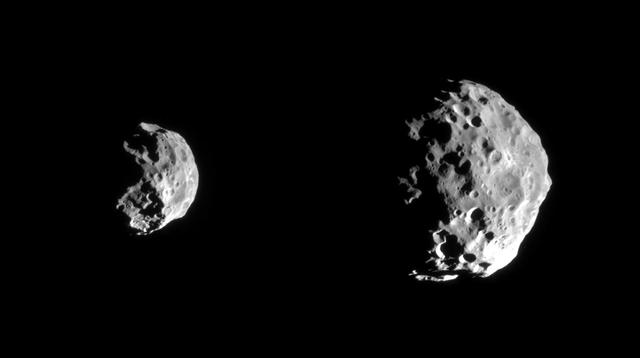
Battered Moon
June 12 (2004) · Source: NASA Image ArchiveAAC Clyde Space wins ESA contract to complete maritime-monitoring constellation.
K2 Space, Rocket Lab win key supplier roles in Space Force satcom program.
Thales Alenia Space and Airbus Defence and Space won contracts to build the next generation of radar imaging satellites for Europe's Copernicus program.
NASA is introducing a new funding opportunity to accelerate academic research and technology development.
Latitude has quietly removed the Zephyr name from its website, raising questions over a possible trademark conflict.
The Senate Armed Services Committee advanced its fiscal 2027 defense policy bill with language that would fold the Space Development Agency and the Space Rapid Capabilities Office more directly into the Space Force acquisition structure.