Celebrating NASA’s Mars Reconnaissance Orbiter’s 20th Anniversary: Crater Near Sirenum Fossae
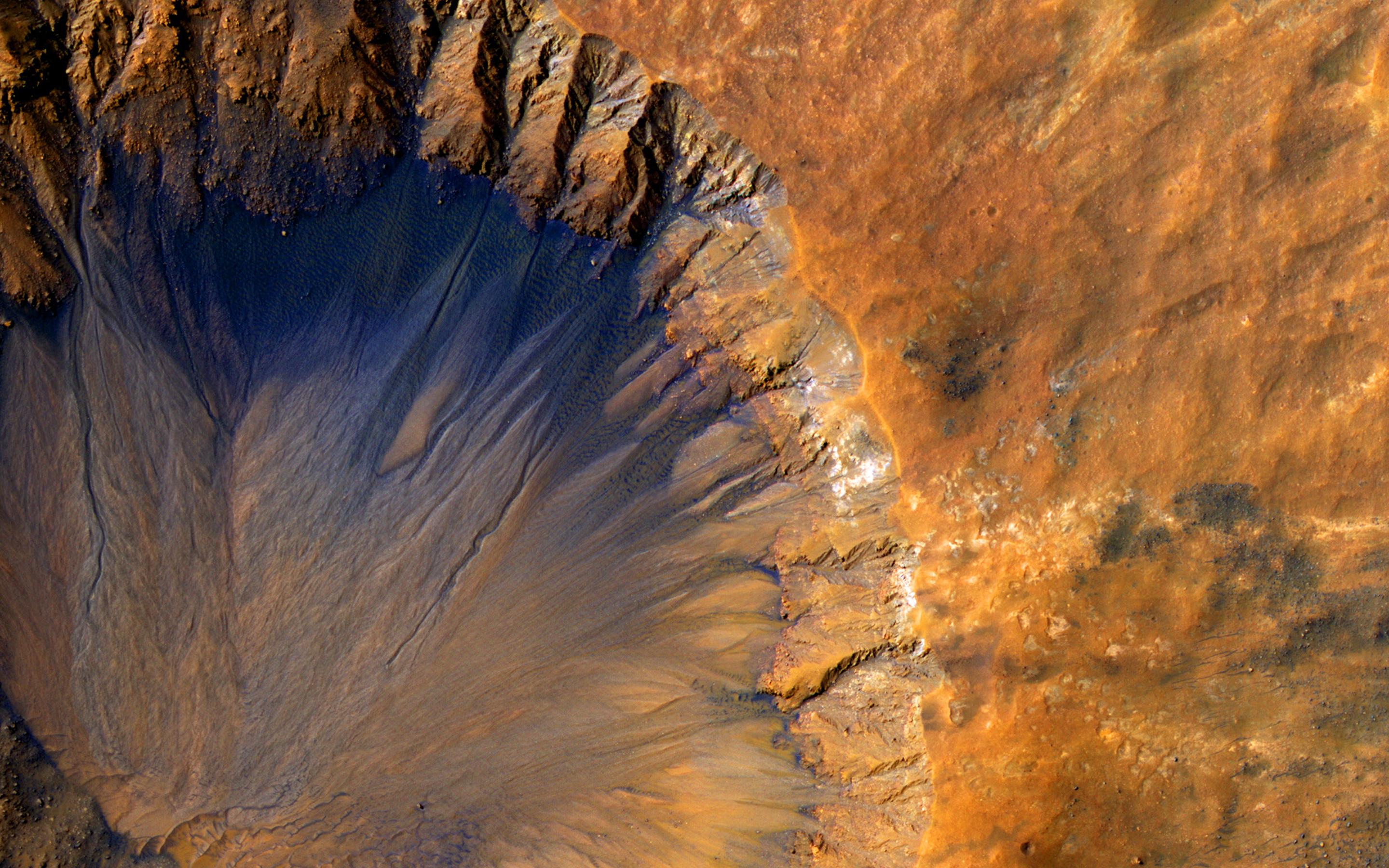
For 20 years, MRO has sought out the history of water on Mars with its science instruments. In that time, it has sent back important data that will help us when future astronauts land on the planet and explore it.
NASA's Mars Reconnaissance Orbiter (MRO) captures a detailed view of a relatively fresh crater in this image released on June 3, 2015.
For MLI, the story is both archival and current. MRO is one of the workhorse spacecraft behind how Mars science is actually done, and anniversary releases like this show why the mission still matters after two decades in orbit. It is also a useful reminder that flagship exploration stories do not only come from launches and landings; sometimes the stronger signal is the durability of an observatory that keeps producing data, context, and imagery year after year.