Ignition - NASA
The RFI seeks detailed input across technical, programmatic, and business case considerations, including transportation architecture concepts, scalable launch cadence, staging orbits, autonomous operations, interoperability with current and future Artemis elements, and approaches to human‑rating, safety, and certification. NASA also requests insight regarding manufacturing scalability, reuse strategies, demonstration plans, milestone‑based development, and projected cost structures aligned with future Firm‑Fixed‑Price service acquisition. NASA welcomes input from incumbent providers that evolve existing systems to increase cadence, reduce cost, and accelerate readiness, and transition toward commercially sustainable human space transport capabilities.
Under CLPS 2.0, NASA anticipates an increased mission cadence, coupled with greater government insight and collaboration with vendors to improve mission reliability and success.
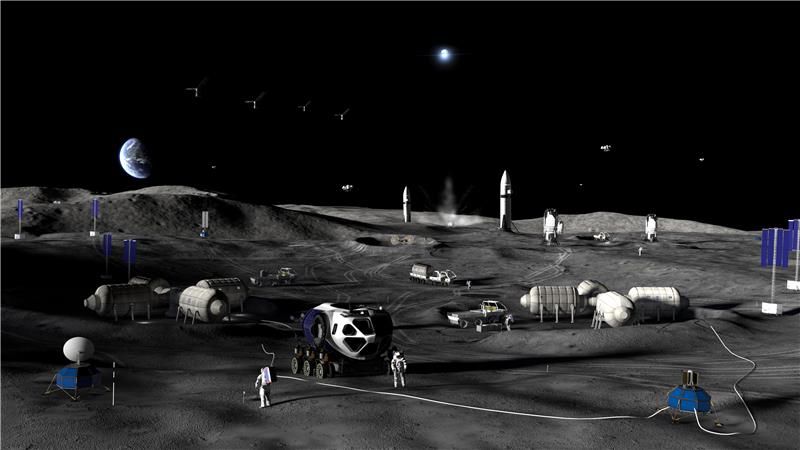
NASA is advancing its lunar exploration program with the launch of the CLPS 2.0 procurement, a competitive follow-on to the highly successful CLPS 1.0 initiative. Building on the achievements and lessons learned from its predecessor, CLPS 2.0 will continue to deliver payloads to the lunar surface and orbit, supporting NASA's ambitious goals for sustained lunar operations. This next phase introduces enhanced flexibility, allowing NASA to order turn-key delivery services or accept delivery of CLPS hardware for integration into its own missions.