NASA to Cover Northrop Grumman Cargo Spacecraft Departure
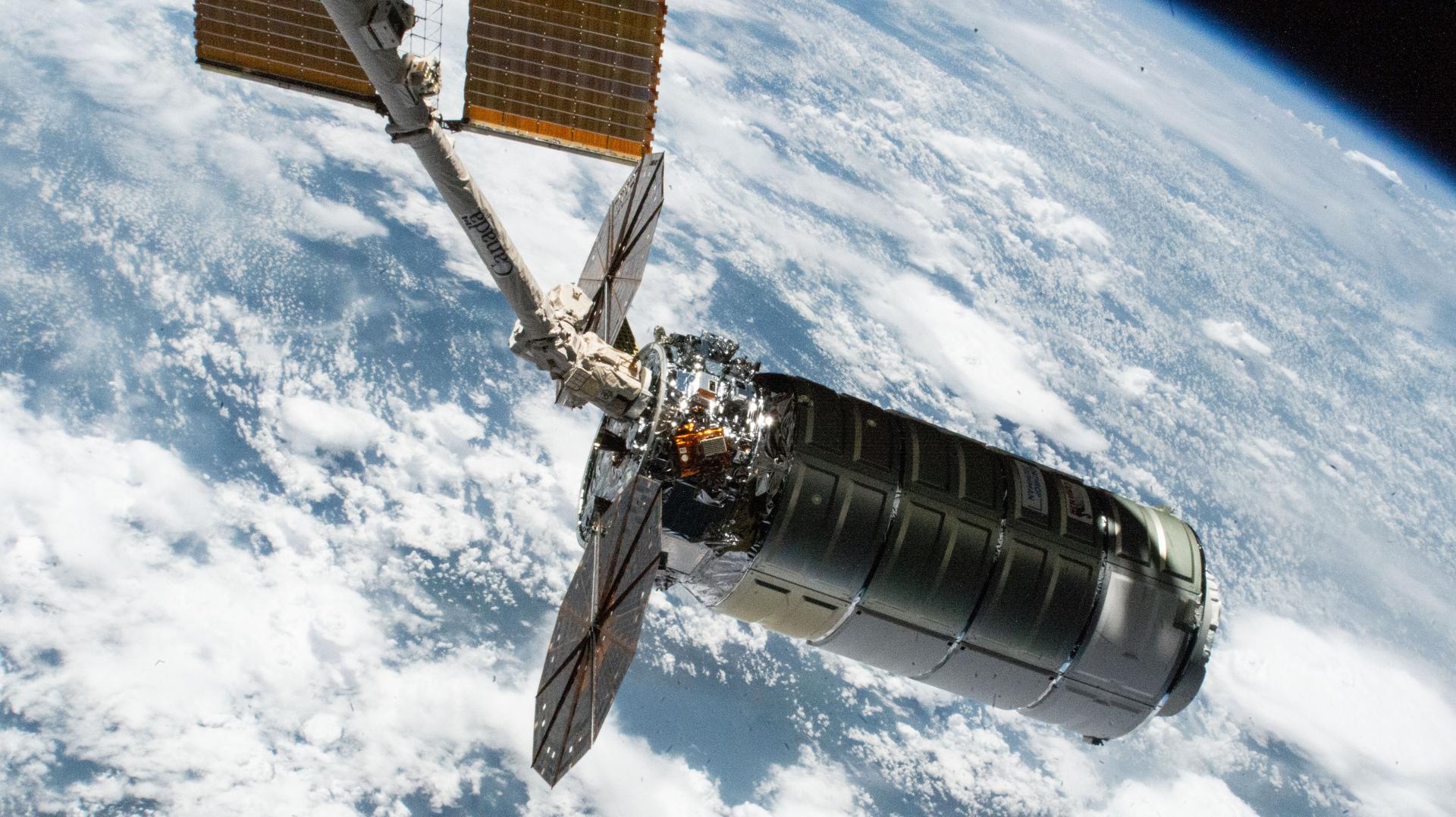
NASA is reporting a notable launch development: NASA to Cover Northrop Grumman Cargo Spacecraft Departure. The principal organizations in focus are NASA and Northrop Grumman, with source timing mapped to 2026-03-06 ET and current timing cues at March 12. Activity is centered on not explicitly specified in the initial source, and the mission objective appears to be to execute mission operations safely and on schedule while maintaining cadence confidence.
Operationally, the immediate read is straightforward: After delivering more than 11,000 pounds of supplies, science investigations, hardware, and other cargo to the International Space Station for NASA and its international partners, the Cygnus XL spacecraft supporting Northrop Grumman’s 23rd Commercial Resupply Services mission is scheduled to depart the orbiting laboratory Thursday, March 12. Watch NASA’s live coverage of undocking and departure […]. Technical emphasis is on the mission hardware and operations stack described by the source, while published parameters currently include 11,000 pounds. The most visible constraints are normal execution risk remains until follow-on confirmations are published; relative to recent similar events, comparative performance versus prior cycles is not fully quantified in the initial reporting.
Stepping back to context, this did not emerge in a vacuum. External drivers in play include commercial demand and capital allocation and science-priority mission demand, which helps explain why this update is landing now. From a reader perspective, the background signal is continuity in program and market execution pressure around NASA and Northrop Grumman. For payload/customer framing, payload and mission purpose are partially described, with additional details likely to emerge through operator updates.
The next 24-72 hours matter here. If execution holds, the likely outcomes are schedule confirmation and stronger confidence in near-term milestones; if it slips, attention shifts back to readiness and risk controls. Source reliability is high for mission-status facts because the reporting is from an official agency source. Open questions still worth monitoring are exact final launch window and any late weather/range holds and downstream mission planning implications once peer/official follow-up is published, with best confirmation coming from NASA (https://www.nasa.gov/news-release/nasa-to-cover-northrop-grumman-cargo-spacecraft-departure/) plus independent launch-tracker and agency follow-ups.
After delivering more than 11,000 pounds of supplies, science investigations, hardware, and other cargo to the International Space Station for NASA and its international partners,
Launch cadence and timing signals shape near-term planning risk across providers, payload teams, and downstream mission timelines.