TB 26-03 Flammability Testing Configuration and Approach of Barrier Material Assemblies Designed for Space Flight Applications
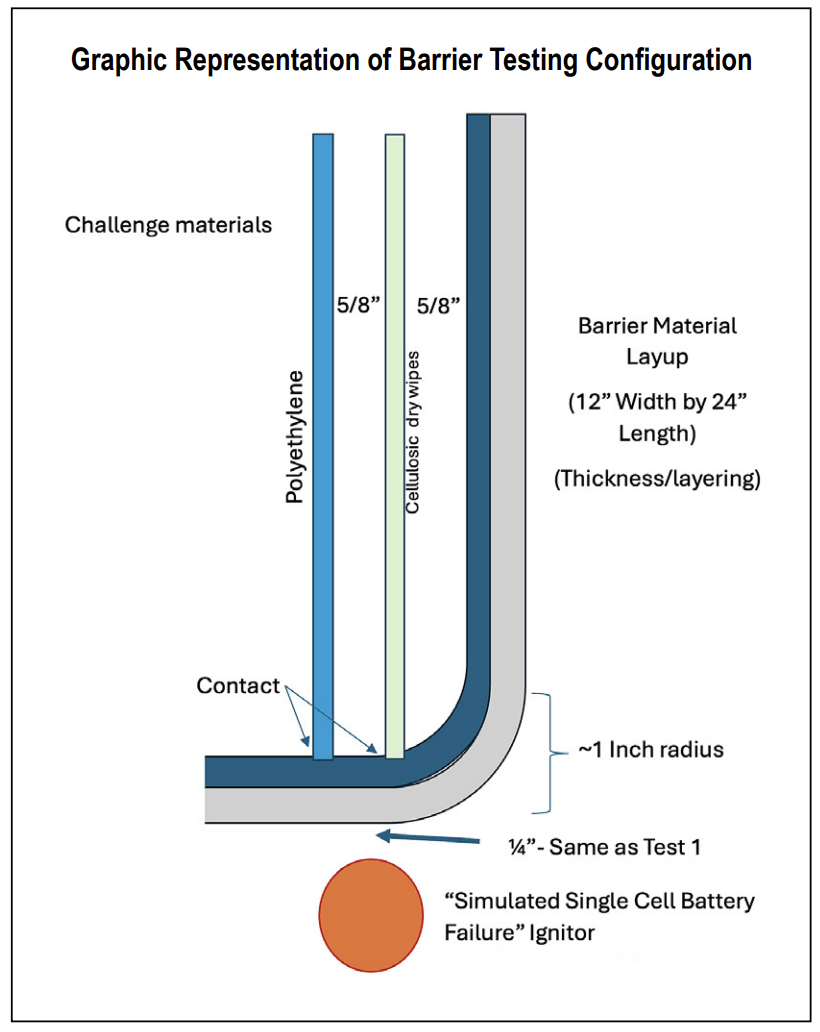
NASA's Engineering and Safety Center published a technical bulletin describing a flammability test developed with experts from Johnson Space Center, White Sands Test Facility, and Marshall Space Flight Center. The work focuses on evaluating barrier material assemblies that could sit between potential cabin ignition sources and the flammable materials commonly found inside crewed spacecraft. In practical terms, the team is testing how well protective material stacks can slow or stop a fire from spreading through a habitable spacecraft environment.
Cabin-fire testing matters because enclosed spacecraft leave very little room for materials failures once a crew is on board.
The public NASA page is essentially a bulletin pointing readers to the full PDF rather than a long narrative article, so the next useful layer of detail will come from the technical report itself and any follow-on use in spacecraft design reviews. Even so, the release is a useful signal that NASA is still working the unglamorous materials and cabin-safety problems that determine how resilient future crew vehicles can be.