Volunteers Find Oddly High Solar Flare Rates
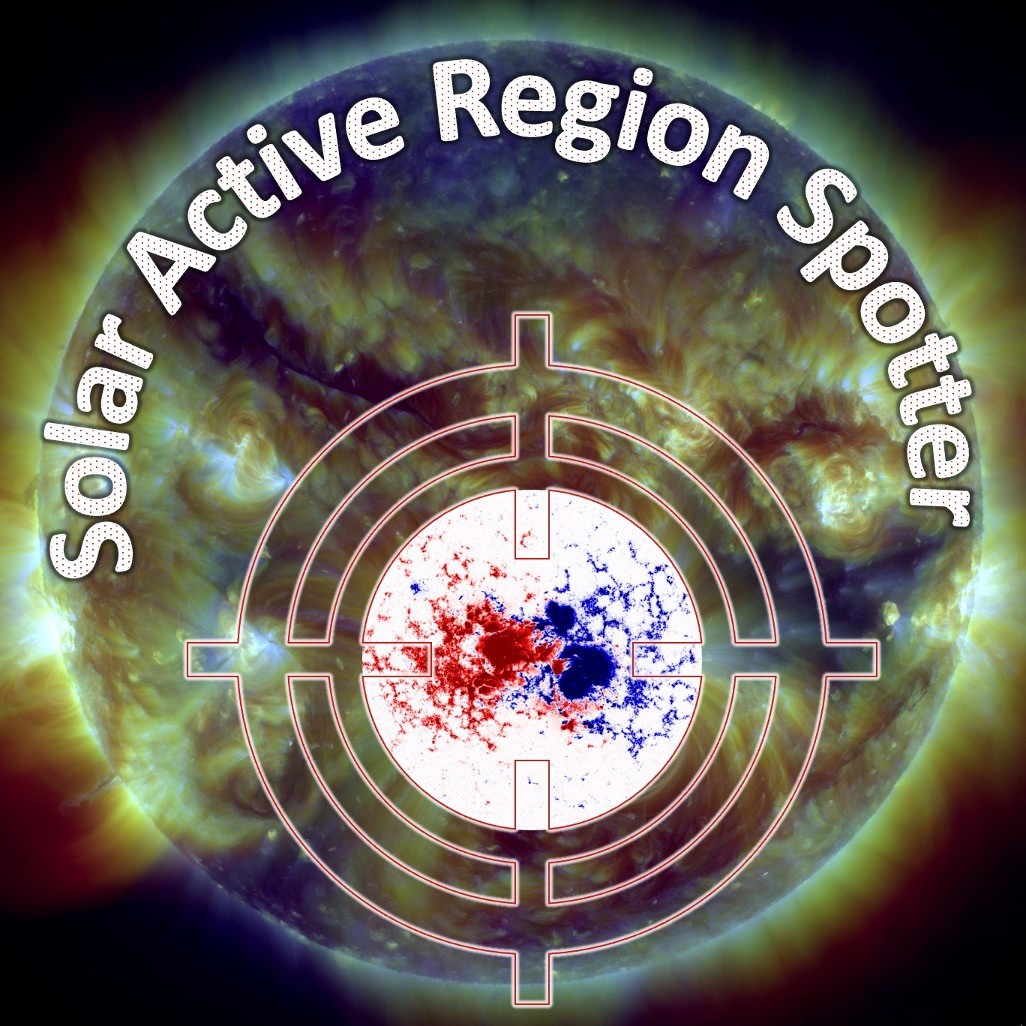
Patches of the Sun's surface often show strong magnetic fields. These fields can emerge within a matter of hours, and can decay slowly or quickly, sometimes over days, weeks, or even months. Thanks to a new study about these long-lived active regions, we now know much more about the patches where these strong magnetic fields take at least a month to decay.
This study relied on inputs from NASA's Solar Active Region Spotter citizen science project, which asked volunteers to answer a series of questions about pairs of active region images from NASA's Solar Dynamics Observatory.
Project leads Emily Mason (Predictive Science Inc. ) and Kara Kniezewski (Air Force Institute of Technology) looked at the data and the analysis done by volunteers. They found that the long-lived active regions produce disproportionately more flares than the shorter-lived regions and are 3-6 times more likely than other active regions to be the source of the most intense kinds of solar flares.