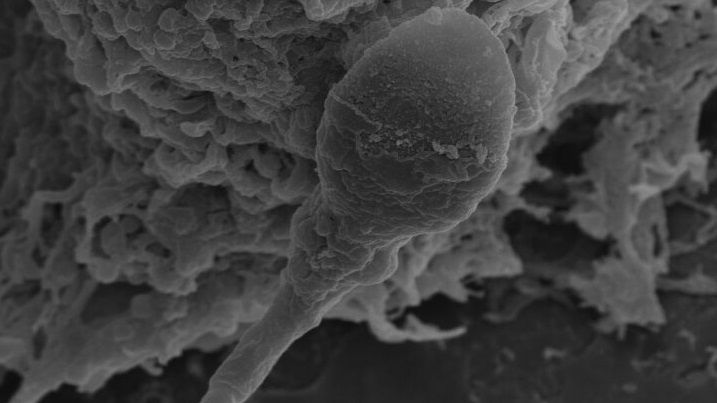
Humankind is bound to become a space-faring species, expanding beyond the bounds of Mother Earth, just as it, millions of years ago, spread out of its cradle in Africa.
At least that's what space exploration leaders such as the world's richest man Elon Musk would like you to believe.
"When you think about the future of space exploration and space settlements, it's happening. It's happening now," Nicole McPherson, a reproductive biologist at the University of Adelaide, Australia, and lead author of the paper, told Space. Com.