'Easter comet' could be visible in daytime skies this April — if it survives a fiery dive past the sun
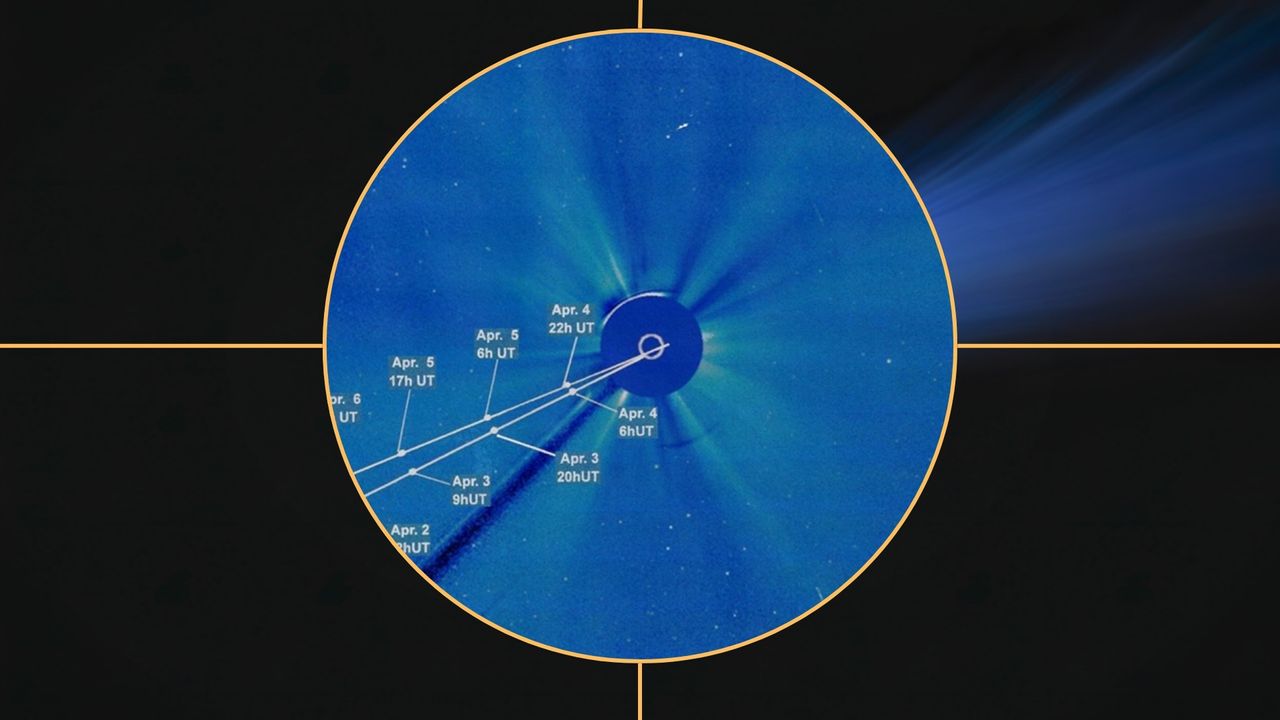
A newly discovered comet is rapidly brightening and could become visible from Earth — if it survives an extreme close encounter with the sun on April 4.
A newly discovered comet could put on a dazzling show in the coming weeks and if it survives a fiery brush with the sun, it might even become an 'Easter comet' visible in early April.
For MLI readers, this is a strong example of the kind of space story that blends science and spectacle without needing a policy angle to matter. The next few weeks will determine whether C/2026 A1 becomes a real public sky event or a comet that burns out before peaking, and that uncertainty is part of the draw. If it holds together, it could turn into one of those rare stories that moves quickly from observatory data into something ordinary people can step outside and look for themselves.