A new SETI idea says alien signals may be getting scrambled by space weather before we can spot them
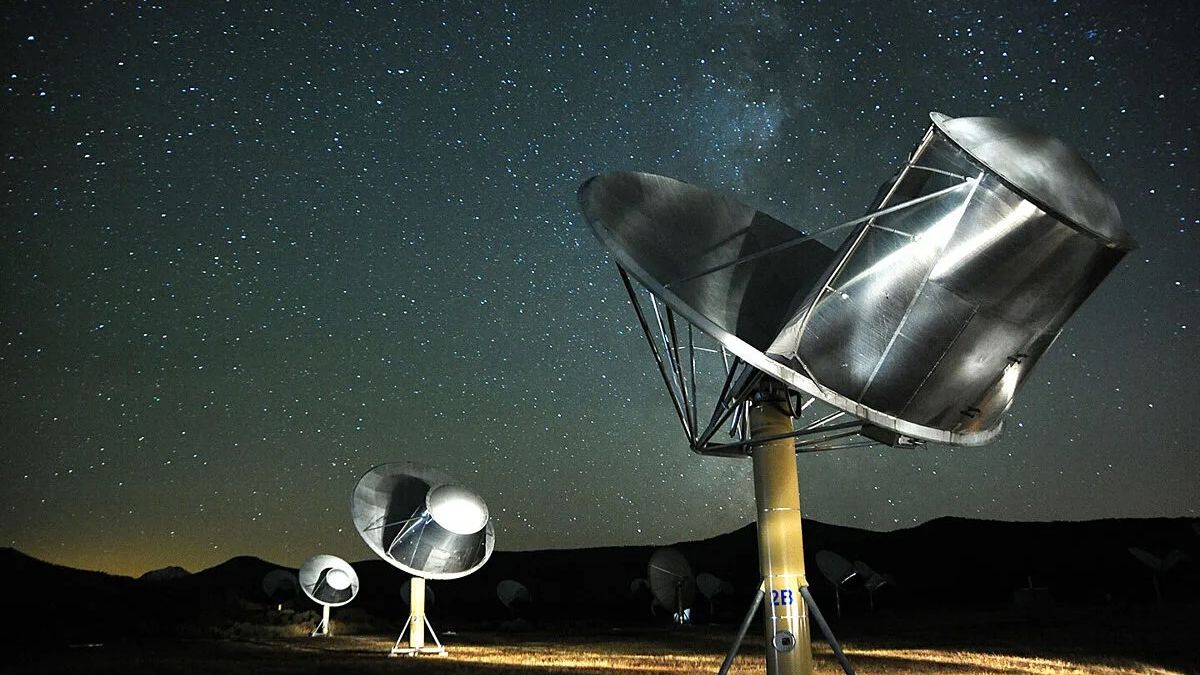
A new Space.com report highlights research suggesting that SETI searches may be missing some technosignatures because plasma and charged particles around other stars can smear narrowband radio signals beyond normal detection thresholds. The study argues that stellar winds and coronal mass ejections could broaden otherwise artificial-looking transmissions, especially around active stars, making them less visible to systems designed to catch extremely tight signals. Researchers used the Sun and known effects on spacecraft communications to model how the problem could play out around sun-like stars and red dwarfs.
It is a strong example of how a quiet result in the search for life can still generate a useful technical insight instead of a dead end.
The next step is not some dramatic first-contact claim; it is better search design. If this line of work holds up, SETI teams may want to widen parts of their search strategy or model stellar environments more aggressively when screening targets. That makes the story both fun and practical: the universe may not be quieter than we thought, we may just need to listen more intelligently.