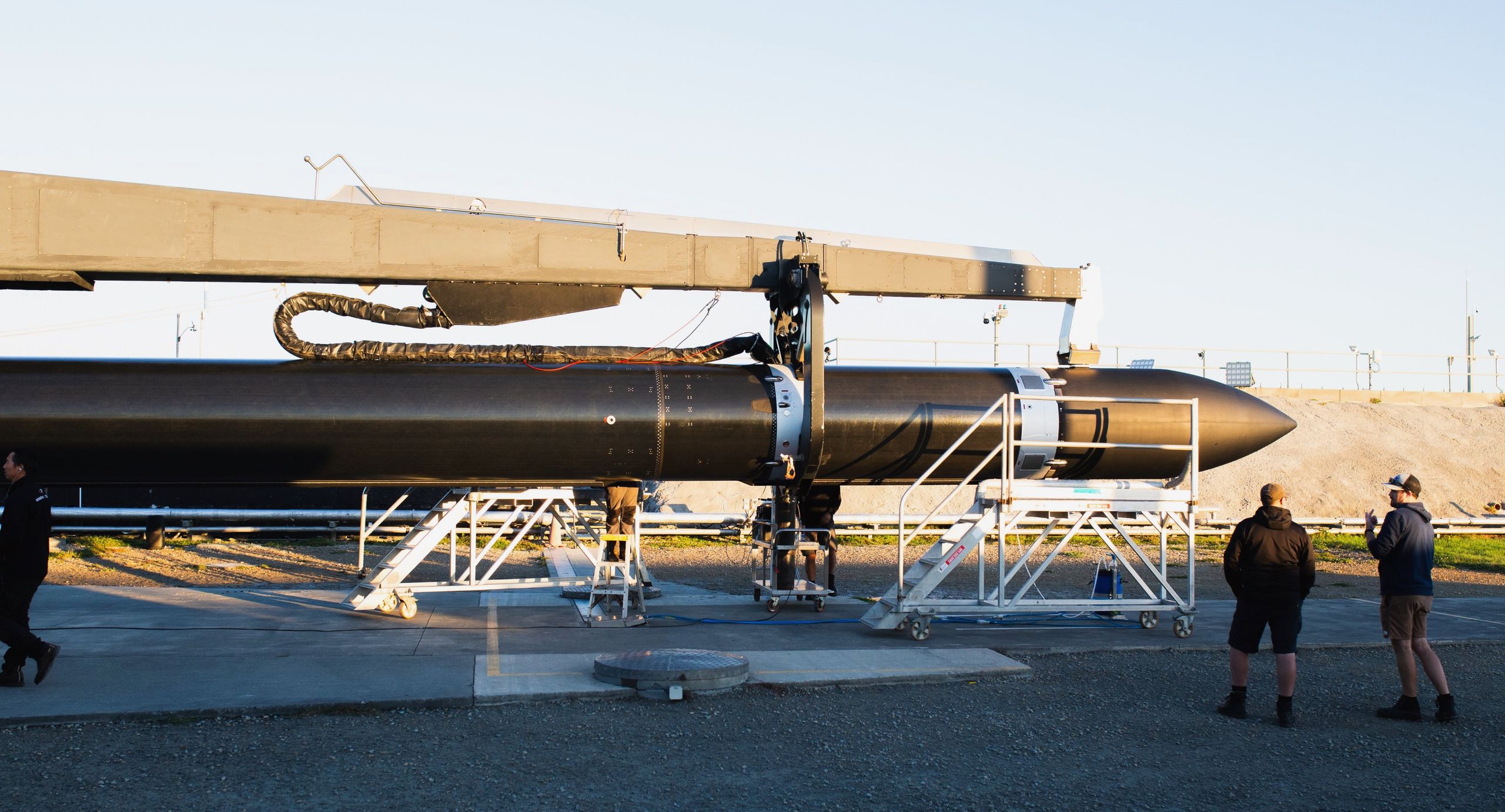
Rocket Lab’s confidential Electron mission: what we know about payload purpose, site, timing, and launch cadence

What is confirmed: Rocket Lab’s Electron mission is a confidential commercial launch flown from Launch Complex 1 at Māhia, New Zealand, with Curie upper-stage mission architecture consistent with precise small-payload insertion profiles. The mission’s confidentiality limits payload disclosure, but the operational facts—vehicle, site, and launch window posture—are clear and verifiable from launch-tracking and reporting coverage.
How to interpret it: in the small-launch market, confidential missions can still be high-information events when analyzed through execution metrics. The key indicators are cadence durability, turnaround pressure, and mission reliability under compressed windows. If Rocket Lab sustains short-interval operations while meeting deployment objectives, that reinforces its value proposition versus larger providers where manifest flexibility can be lower for niche payload classes.
Risks and open questions: launch timing can still shift on weather/range/technical constraints; payload operator identity and end-use details may remain intentionally undisclosed; and orbit specifics may be partially withheld. For readers, the practical next step is to track post-launch confirmation points—deployment status, orbital insertion notes, and subsequent mission spacing—to evaluate whether cadence and execution claims hold over the next few flights.
Reporting on Rocket Lab’s confidential commercial Electron mission and launch context. Mission detail tracking for Daughter Of The Stars / Electron campaign context and launch-site metadata. Rocket Lab mission index for historical cadence and turnaround context.
This is high-value launch intelligence because confidentiality-driven missions are becoming more common in commercial and dual-use markets. Readers need context on what can be verified, what remains unknown, and why cadence and execution quality matter more than full payload transparency.