← Back to News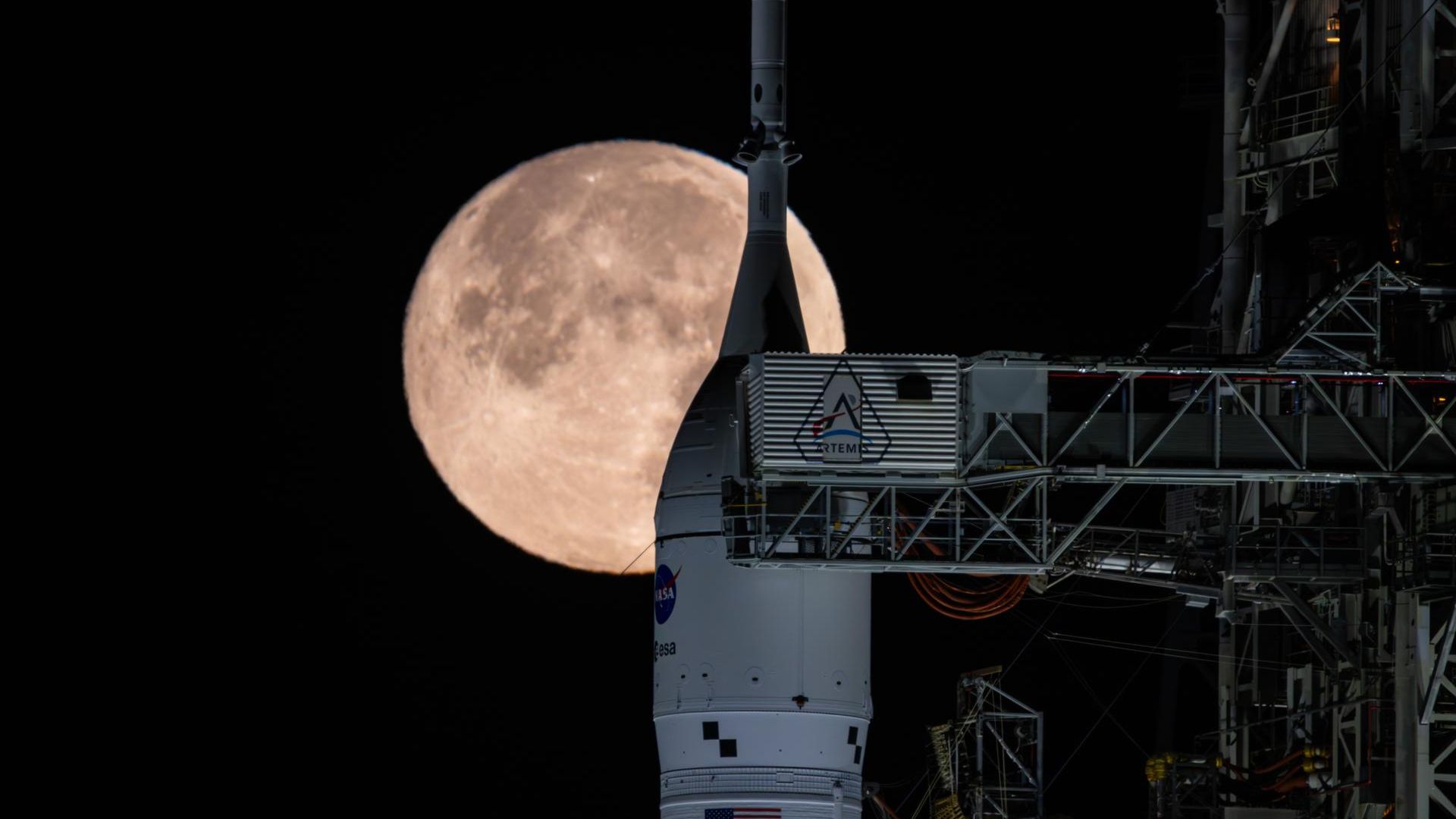
Image source: Space.com
Status
New solar-superflare analysis argues Artemis II timing should be pushed later
References
Story Brief
A new risk analysis highlighted by Space.com suggests Artemis II should avoid higher-exposure timing windows for crew safety margin reasons.
Crewed mission timing is a safety tradeoff; radiation risk framing can materially influence launch-window decisions.
Reference Details
Keep Reading
Mentioned Companies & Entities
Technologies Involved